
Wellness & Health
Olive Oil: Is It Healthy, and What Can a Label Actually Tell You?
A blunt health question answered the only honest way a Malaysian seller can answer it: by explaining what a label may legally say, what it verifiably carries, and where the information stops.
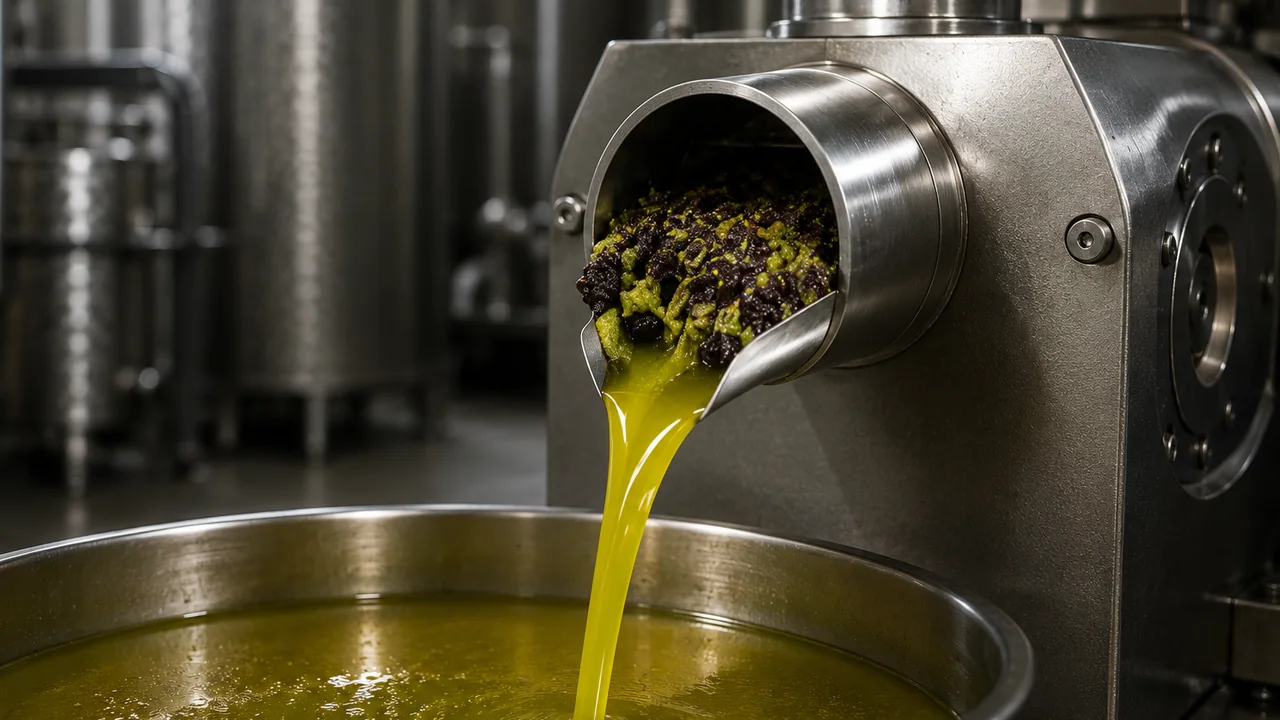
The short answer
A Malaysian seller cannot legally tell you olive oil is healthy — Regulation 18(6) forbids it. What a label can honestly carry is the grade, the harvest date, a single named origin, the 0.8% category acidity ceiling and dark glass. Everything past that belongs to your doctor.
"Is olive oil healthy?" is among the most common questions typed about this bottle, and the one a seller in Malaysia is least free to answer.
So this page answers a narrower question: what a label may legally say, and what it never tells you.
Why a Malaysian seller answers this carefully
Under the Malaysian Food Regulations 1985, Regulation 18(6), no food may be labelled or advertised as preventing, alleviating, treating or curing any disease. A seller here is not being evasive when the answer arrives as grade and composition rather than an outcome.
The useful information moves onto what a buyer can check: grade, harvest year, origin, container. Those are verifiable; an outcome is not.
What a label can honestly carry
Five things on a bottle are verifiable rather than promotional, and together they say more about quality than any marketing sentence: the grade, the harvest date, a single named origin, the free acidity ceiling that defines the category, and the glass.
- Grade. "Extra virgin" is a trade category, not an adjective: mechanically extracted, no heat, no solvent. Lower grades lose that.
- Harvest date. The year the fruit was picked — best-before never tells you.
- A single named origin. One country, ideally one region; a blend names no grove.
- The 0.8% ceiling. Extra virgin may not exceed 0.8% free acidity; virgin 2.0%, refined 0.3%. A category standard, not a bottle's figure.
- Dark glass. Light degrades oil; a clear bottle on a lit shelf suffers.
What the label tells you, and what it does not
A label is a document about the oil's identity and history. It is not a document about your body. That gap is where most confusion about olive oil and health lives, so it is worth setting out column by column.
| What the label tells you | What it cannot tell you |
|---|---|
| Grade: extra virgin, virgin, refined, pomace | Whether it does anything for you |
| The harvest year, and so the oil's age | How it was stored before purchase |
| A single named country or region | Which grove, unless the seller traces it |
| The 0.8% category ceiling for acidity | This bottle's figure, without a certificate |
| Ingredients: olive oil, nothing else | Any medical outcome — 18(6) forbids it |
The three claims regulators have actually allowed
Internationally, three carefully hedged statements exist about olive oil, and each one is narrower than the headlines built on it. The qualifiers matter, because they are the part that gets dropped when a claim is copied onto a marketplace listing.
The WHO supports replacing saturated fat with unsaturated fat to help maintain normal blood cholesterol; replacing is the hedge. EFSA accepted that olive oil polyphenols contribute to protecting blood lipids from oxidative stress, at a defined daily intake. The US FDA permitted a qualified claim on oleic acid and coronary heart disease; "qualified" means the evidence was judged limited and the claim must say so. All three studied a whole dietary pattern, not a spoonful added to an unchanged diet: the long version.
Replacement, not addition
Every one of those statements is about substitution. Olive oil carries roughly 120 kcal per tablespoon, like any cooking oil, so pouring it on top of an unchanged diet only adds energy. Instead of a heavily saturated fat it is a swap; alongside one, it is not.
In a Malaysian kitchen the swap that holds is the everyday fat: dressing, finishing, moderate-heat sautéing. No dish is given up.
What to check instead of a health claim
If the health question cannot be answered on a label, the answerable ones deserve the attention instead. Who is the named seller, and is there an address you could walk into? Is a harvest date printed anywhere? Is the origin one place or a blend?
Choosing authentic extra virgin olive oil in Malaysia works through those checks. Arabian Village reaches Malaysia through one named distributor with two branches you can walk into; the products page carries grade and sizes.
The short version
Regulation 18(6) is why no Malaysian seller can tell you whether olive oil is healthy. A label carries grade, harvest date, origin, the 0.8% ceiling and dark glass. Olive oil does not treat, cure or prevent any disease and does not replace medication; with a diagnosed condition ask your doctor or a registered dietitian. Nothing here is medical advice, only food information.