
Wellness & Health
Health Benefits of Extra Virgin Olive Oil for Malaysian Families
A grounded look at what extra virgin olive oil contains, what health authorities are willing to say about it, and how Malaysian families realistically work it into daily meals.

The short answer
Extra virgin olive oil is roughly 70–80% monounsaturated fat and, because it is never refined, keeps natural polyphenols and vitamin E that refined oils lose. Health authorities including EFSA and the US FDA have accepted carefully worded claims about olive oil and heart health when it replaces saturated fat in the diet — replacement is the key word, not addition.
Every few months a new oil is declared the healthiest thing in the kitchen. Olive oil is unusual in that it has survived forty years of that cycle, and it survived because the research kept pointing the same way rather than because the marketing was better.
This article does two things. First, it explains what is physically in a bottle of extra virgin olive oil and why refining destroys most of it. Second, it stays honest about the limits — what regulators have actually approved as a health claim, and where the evidence stops.
It is written for Malaysian households: our meals are rice-based, our cooking is hot and fast, we fast for a month a year, and our biggest diet-related health problems are well documented. Generic Mediterranean advice does not automatically transfer, so we have tried to make it transfer.
What's actually inside extra virgin olive oil
Extra virgin olive oil is the juice of the olive fruit, separated mechanically and nothing more. No solvent, no bleaching, no deodorising. That matters because the compounds people care about are fragile, and industrial refining is precisely the process that removes them.
Monounsaturated fat — the bulk of the bottle
Roughly 70 to 80% of extra virgin olive oil is oleic acid, a monounsaturated fatty acid. This is the part that survives refining, so even cheap olive oil has it. It is also the part that most dietary guidelines refer to when they recommend replacing saturated fats with unsaturated ones.
Polyphenols — the part refining destroys
Fresh, well-made extra virgin olive oil carries phenolic compounds — hydroxytyrosol, tyrosol, oleocanthal, oleuropein derivatives. These are the source of the bitterness and the peppery catch at the back of the throat. They are antioxidants, they protect the oil itself from going rancid, and they are almost entirely absent from refined, "pure" or "light" olive oil.
Vitamin E and other minor compounds
Olive oil is a meaningful dietary source of vitamin E (alpha-tocopherol), plus squalene and plant sterols. Again, quantity depends on freshness and on the oil never having been heat-refined.
What is not in it
No cholesterol — no plant oil contains cholesterol. No protein or carbohydrate worth counting. And in a genuine single-origin extra virgin oil, no other oils: adulteration with cheap seed oil is the classic olive oil fraud, which is why traceability is part of the health question, not separate from it.
What the evidence supports — and what it does not
This is where most olive oil articles overreach. Here is the careful version.
Approved claims, stated accurately
- Replacing saturated fat. Dietary guidance internationally, including from the World Health Organization, supports replacing saturated fats with unsaturated fats to help maintain normal blood cholesterol levels. Olive oil is a straightforward way for a household to do that.
- Olive oil polyphenols. The European Food Safety Authority has accepted a claim that olive oil polyphenols contribute to the protection of blood lipids from oxidative stress, at a defined daily intake of hydroxytyrosol and its derivatives — a level only genuine, polyphenol-rich extra virgin oil reaches.
- Oleic acid and heart disease. The US Food and Drug Administration has permitted a *qualified* health claim about oleic acid in edible oils and the risk of coronary heart disease. "Qualified" means the FDA judged the evidence limited and required the claim to say so.
Where the claims stop
Olive oil does not treat, cure or prevent any disease. It does not dissolve fat, reverse diabetes, or replace medication. Anyone selling it that way is telling you something about themselves, not about the oil. If you have a diagnosed condition, or you are managing cholesterol, blood pressure or blood sugar, the person to ask is your doctor or a registered dietitian — not a label.
It is also worth remembering that most of the well-known research studied a whole Mediterranean *dietary pattern* — vegetables, legumes, fish, whole grains, and olive oil as the main fat — not olive oil taken on its own alongside an otherwise unchanged diet.
Why this matters for Malaysian families specifically
Malaysia has one of the higher rates of obesity and type 2 diabetes in the region, documented repeatedly in the National Health and Morbidity Survey and discussed openly in Ministry of Health campaigns on MyHEALTH. Non-communicable disease, not infection, is the dominant health burden.
Our food culture is also fat-heavy in ways that are easy to miss: santan in curries, deep-fried breakfast items, roti with margarine, and reused frying oil in the household wok. None of those need to disappear. But the fat used for everyday sautéing, dressing and finishing is a genuinely easy substitution — nobody has to give up a dish to make it.
That is the practical case for olive oil in a Malaysian kitchen. Not a diet overhaul. One ingredient swap that survives contact with real family cooking.
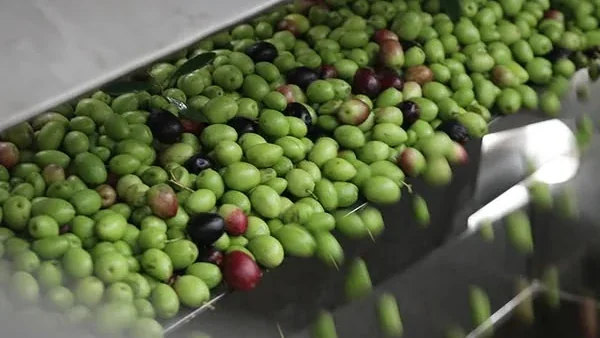
Fitting olive oil into everyday Malaysian meals
Breakfast
- Olive oil instead of margarine on toast, with a pinch of salt or za'atar.
- Scrambled or half-boiled eggs finished with a drizzle rather than fried in butter.
- Over oats or into a smoothie bowl — unexpected, but it works with dates and banana.
Lunch and dinner
- Tumis your bawang, garlic and cili in olive oil at medium heat.
- Finish sup ayam, sup tulang or any broth with a spoonful off the heat — it carries aroma the way ghee does.
- Steamed or grilled fish with olive oil, lime and coriander instead of a heavy sauce.
- Toss ulam, salads and cucumber with olive oil, calamansi and salt.
Children
Olive oil is fine for children as an ordinary cooking fat. Younger palates often find a strongly peppery oil too sharp on its own, so use it inside cooked food and dressings rather than as a spoonful. Infant feeding is a question for your paediatrician or klinik kesihatan, not for a food article.
Older family members
For elderly relatives managing cholesterol or blood pressure under medical supervision, an oil swap is one of the least disruptive changes available — the food stays the same. Keep the doctor informed of dietary changes rather than substituting them for treatment.
Ramadan, sahur and iftar
During fasting months many families deliberately keep sahur light and slow-digesting. Olive oil fits that: a spoonful with dates and yoghurt, or drizzled over sahur eggs, is a long-standing practice in Arab households and has become common in Malaysian ones. At iftar it is a way to make a spread feel rich without another round of deep-frying.
Heat, smoke point and storage — protecting what you paid for
How much heat is too much
Good extra virgin olive oil has a smoke point above roughly 190°C, and its high antioxidant content makes it more stable under heat than its reputation suggests. Ordinary Malaysian sautéing sits below that. Sustained deep-frying at 200°C does not, and it also destroys the polyphenols you are paying for. Use a cheaper oil for the fryer.
Storage is where most households lose quality
- Keep the bottle in a cupboard, not on the windowsill and not beside the stove. Light and heat are the two fastest killers.
- Close it properly. Oxygen does the slow damage.
- Do not refrigerate it — olive oil clouds and solidifies in the cold, which does no harm but makes it inconvenient.
- Finish an opened bottle within a couple of months. This is why a 500 ml bottle is often the smarter buy in a humid climate.
Malaysian kitchens are warm and humid year-round, so storage discipline matters more here than in a Mediterranean pantry. An excellent oil stored badly for six months is no longer an excellent oil.
Who should be careful
- Anyone with a diagnosed condition or on medication for cholesterol, blood pressure or diabetes — discuss dietary changes with your doctor rather than self-managing.
- People managing weight: olive oil is energy-dense. Swap it in, do not stack it on.
- Anyone with a known allergy to olives or olive pollen, which is uncommon but real.
- People with gallbladder problems, who may be advised to moderate all fats.
Nothing on this page is medical advice. It is food information, written to be accurate about what is known and honest about what is not.
The bottom line
Extra virgin olive oil is a well-studied, minimally processed fat that keeps compounds refining removes. Regulators have approved narrow, carefully worded claims about it and heart health, and those claims all rest on the same condition: use it in place of saturated fat, not in addition to it.
For a Malaysian family, the realistic version is one bottle by the stove, used for tumis, dressings and finishing, replacing margarine and part of the everyday cooking fat. That is a change a household can hold for years.
Quality decides how much of the good part is actually in your bottle — which is the subject of our guide to choosing authentic extra virgin olive oil in Malaysia. You can also read the full specification of Arabian Village olive oil or see where to buy it.