
Olive Oil Guide
Why Olive Oil Is Becoming More Popular in Malaysia
Olive oil used to sit on one shelf in the imported-goods aisle. Today it turns up in Malaysian home kitchens, cafés and sunnah-food conversations. Here is what changed, and what it means when you pick a bottle.
The short answer
Olive oil is growing in Malaysia because four things arrived at once: rising awareness of diet-related health risks, strong halal confidence in a plant-based oil, the spread of Arab and Mediterranean food culture, and e-commerce that put imported extra virgin olive oil within reach of an ordinary grocery budget.
Ten years ago, olive oil in Malaysia was a gift item. It came in a fancy box, it was bought for someone else, and it usually sat unopened next to the kurma until someone finally used it on a salad nobody asked for.
That is no longer the picture. Walk through a hypermarket in Klang Valley today and olive oil has its own run of shelf space, in several grades, at several price points. Scroll Shopee or TikTok Shop during a Ramadan campaign and it is being sold the way rice and dates are sold — by the case, to people who already know what they want.
This guide explains what actually drove that shift, how Malaysians are using olive oil in real kitchens (not Mediterranean cookbook kitchens), and what the trend should change about how you choose a bottle.
Olive oil's quiet arrival in the Malaysian kitchen
Malaysia grows no olives. Every drop of olive oil sold here is imported, mostly from the Mediterranean basin — Spain, Italy, Greece, Türkiye, Tunisia, Palestine and Syria among them. That single fact shaped the category for decades: imported meant expensive, expensive meant occasional, and occasional meant most households never learned what good olive oil tastes like.
Three things eroded that. Halal-certified Arab grocers grew from single shops into national chains. Online marketplaces removed the need for a specialty importer to convince a hypermarket buyer. And a generation of Malaysians who travelled, studied or performed umrah came home with a taste for food they could not previously buy locally.
The result is a category that behaves less like a luxury import and more like a pantry decision — closer to how Malaysians already think about ghee, sesame oil or coconut oil: a specific fat for a specific job.
Five reasons Malaysians are switching to olive oil
1. Diet-related health risks became a national conversation
Malaysia has spent the last decade talking openly about obesity, diabetes and heart disease. The Ministry of Health's public education work through MyHEALTH and the National Health and Morbidity Survey pushed diet composition — not just portion size — into everyday conversation. Cooking fat is the easiest lever a household can pull without changing what it eats, and olive oil is the fat most strongly associated with the Mediterranean pattern of eating that the World Health Organization and national guidelines repeatedly point to.
Worth being precise here: swapping oil is not a cure for anything. What it is, is a low-effort change that fits an existing habit — and low-effort changes are the ones people actually keep.
2. Halal confidence is effortless
Pure olive oil is pressed fruit juice. No animal derivatives, no alcohol, no emulsifiers. For a Muslim-majority market where every new food category has to clear a halal question first, that is a very short conversation — which is why olive oil spread faster than, say, imported dairy or confectionery. Buyers who want documentation still look for JAKIM recognition on the importer or the retailer rather than on the oil itself.
3. Arab and Mediterranean food went mainstream
Shawarma, mandi rice, hummus, mutabbal, falafel, Turkish breakfast spreads — a decade ago these were niche in KL. Today they are food-court normal, and every one of them uses olive oil as a finishing ingredient rather than a hidden one. Once a household eats an oil it can taste, it starts caring which oil it buys.
4. There is a faith and heritage dimension
Olive oil carries meaning in Islam that no other cooking fat carries — the olive is named in the Qur'an, and using olive oil is widely treated as a sunnah practice. For many Malaysian families the daily spoonful of olive oil is not a wellness trend imported from Europe; it is a religious and cultural habit that happens to also be a good fat. That is a durable reason to buy, not a seasonal one.
5. E-commerce fixed the access problem
The old bottleneck was distribution: an imported oil needed shelf space it could not earn until it already sold. Shopee, Lazada, TikTok Shop and halal grocery chains removed that step. A brand can now sell a 500 ml bottle nationwide from day one, with reviews doing the persuading. It also means price transparency — Malaysians compare olive oil per litre the way they compare phones.
How Malaysians actually use olive oil
This is where imported advice usually fails. Malaysian cooking is high-heat, wok-driven and aromatic. Advice written for an Italian kitchen does not survive contact with a tumis.
Finishing and drizzling — where extra virgin earns its price
Over hummus, on grilled fish, into a bowl of soup at the end, across sliced tomatoes with salt. No heat at all, so nothing is lost. If you only ever use extra virgin olive oil this way, you will still get the full benefit of what you paid for.
Tumis and everyday stir-frying — yes, with limits
Extra virgin olive oil handles normal domestic sautéing perfectly well. A home tumis usually runs between 140°C and 180°C; a good extra virgin oil smokes somewhere above 190°C. The practical rule is simple: if the pan is smoking before the food goes in, the pan is too hot for any oil, not just this one.
What about deep-frying keropok or ayam goreng?
Technically possible, economically silly. Deep-frying needs volume, and using a premium first cold pressed oil for a litre of frying medium wastes both the flavour and the polyphenols that made it worth buying. Keep a cheaper neutral oil for the deep fryer and reserve the extra virgin for everything else.
Baking, kuih and dressings
Olive oil substitutes for butter or margarine in many bakes at roughly three-quarters the volume, and it gives a softer crumb the next day. In dressings it does the whole job on its own — olive oil, lime or vinegar, salt, and whatever herb is in the fridge.
The daily spoon, skin and hair
A tablespoon in the morning, oil massaged into the scalp, a few drops on dry skin — these uses are common in Malaysian households and long predate the current trend. They are also the uses where the quality of the oil is most obvious, because there is nothing to hide behind.
What "extra virgin" actually means — and why it matters more now
As the category grows, so does the range of things sold as "olive oil". The grades are defined internationally, not by marketing: the International Olive Council trade standard and the Codex Alimentarius standard for olive oils set the chemistry and the sensory requirements.
| Grade on the label | How it is made | What it means for you |
|---|---|---|
| Extra virgin olive oil (EVOO) | Mechanically pressed only, no heat above set limits, no solvents. Must be free of sensory defects and meet a low free-acidity limit. | Full flavour, full aroma, highest natural antioxidant content. The grade worth paying for. |
| Virgin olive oil | Same mechanical process, but wider acidity tolerance and minor sensory defects permitted. | Fine for cooking, noticeably flatter when tasted on its own. |
| "Pure", "Light" or plain "Olive oil" | A blend of refined olive oil with a small share of virgin oil. Refining uses heat and industrial processing. | "Light" refers to flavour and colour, not calories. Nearly all the aroma and polyphenols are gone. |
| Olive pomace oil | Extracted from the leftover pulp and skins using solvents, then refined. | The cheapest tier. Legitimate as a frying oil, but not what most people picture when they buy "olive oil". |
Free acidity, in one paragraph
Free acidity measures how much the oil's fat molecules have broken down — from bruised fruit, slow pressing, or bad storage. It is expressed as a percentage of oleic acid. The extra virgin ceiling is 0.8%. Good producers land far below it; Arabian Village tests below 0.028%. A low number does not guarantee a delicious oil, but a high number guarantees a tired one.
Price, sizes and where Malaysians buy it
Compare olive oil per litre, not per bottle — that is the only way the shelf makes sense. A 500 ml bottle of genuine extra virgin oil sits in a different world from a 2-litre jug of refined blend, and the gap is not markup, it is what is in the bottle.
- Halal grocery chains — the route most Malaysian families take, because the staff can answer questions and the stock turns over quickly. Arabian Village is carried by Berkat Madinah Store, our official distributor in Malaysia.
- Marketplaces — Shopee and TikTok Shop, where reviews and live selling do the explaining. Check that the seller is the brand or its appointed distributor, not a third-party reseller of unknown stock age.
- Direct from the brand — fewer hands between the press and your kitchen, and usually the clearest information about harvest date and origin. See where to buy Arabian Village.
What a growing market means for how you choose
Growth attracts everybody, including sellers who rely on the word "olive" doing all the work. As the category expands in Malaysia, the burden shifts to the buyer to read past the front label.
- Read the grade wording exactly — "extra virgin" is a legal grade; "premium", "pure" and "light" are not.
- Look for a harvest date, not only a best-before date. Olive oil is a fresh product; its age matters more than its expiry.
- Check origin. A single named country or region beats "packed in" or "product of the EU", which can mean a blend from several harvests and several countries.
- Prefer dark glass or tin. Clear bottles under supermarket lighting age fastest.
- Taste it. Fresh extra virgin oil is fruity, slightly bitter, and peppery at the back of the throat. Flat, waxy or crayon-like means old.
We wrote a full walkthrough of that process — including the home tasting test — in How to Choose Authentic Extra Virgin Olive Oil in Malaysia.
The bottom line
Olive oil is growing in Malaysia because it answers several questions at once: it fits a health conversation the country is already having, it clears the halal question instantly, it belongs to cuisines Malaysians have grown to love, and it now costs what a normal household can plan for.
The category maturing is good news, with one condition attached — a bigger shelf means more choices that are not what they claim to be. Learn the grade wording, look for a harvest date, and buy from someone who can tell you where the olives grew.
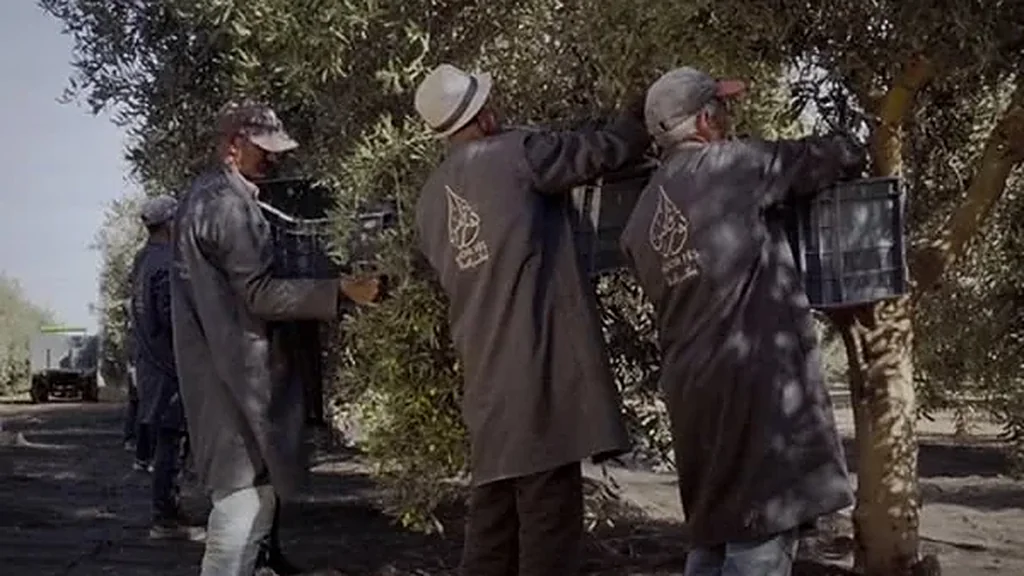
Arabian Village is first cold pressed extra virgin olive oil from centuries-old Palestinian groves, hand-harvested and pressed within hours of picking. You can read the full quality specification on our products page, see why families trust us, or talk to us directly about retail and wholesale.