
Olive oil basics
Extra Virgin Olive Oil vs Pure Olive Oil: What Changes
Extra virgin olive oil vs pure olive oil comes down to refining, and pure, classic, light and extra light all sit on the refined side of that line.

The short answer
Extra virgin olive oil vs pure olive oil is a question of refining. Pure, classic, light and extra light are four shelf names for the same thing: refined olive oil with a little virgin blended back in. Extra virgin is pressed and bottled untreated, and it is the only one of them that still tastes of the fruit.
Three bottles on the same shelf, three different words, and no explanation of any of them: extra virgin, then pure or classic, then light or extra light.
One thing separates them: how much of the bottle came straight off the press, and how much was refined in a plant first.
What pure, classic, light and extra light mean
Pure, classic, light and extra light are four shelf names for one construction: refined olive oil with a small share of virgin oil blended back in for colour and taste. The trade standard calls that blend simply olive oil, and the words on the front are the bottler's.
- Pure. Refined oil with a little virgin blended back into it.
- Classic. The same blend under a softer name, common on imported bottles.
- Light. The same blend filtered paler. Light describes colour and taste.
- Extra light. The palest of the four, and the furthest from tasting of olives.
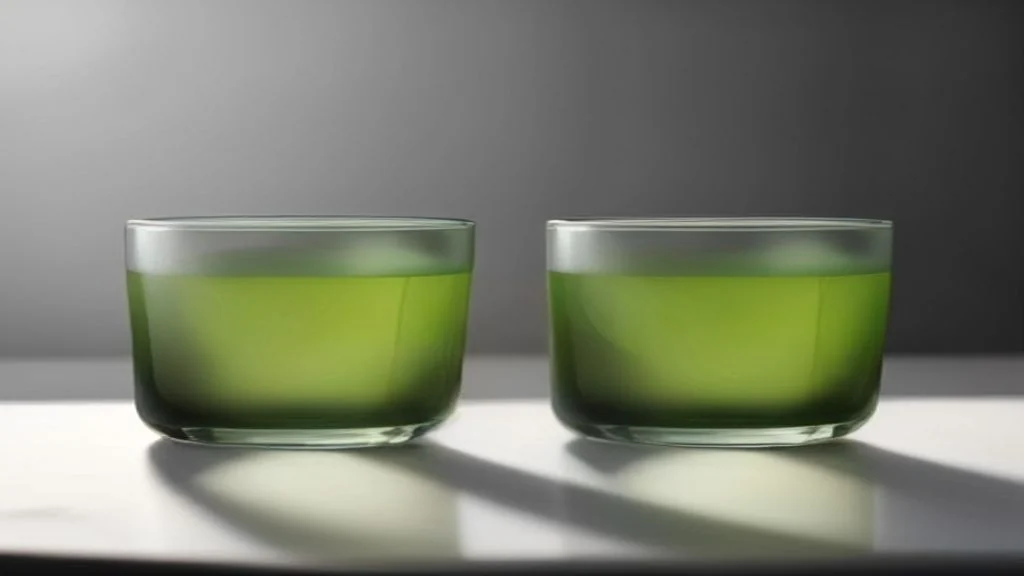
For the full ladder, from extra virgin down to the oil drawn out of the solids left after pressing, read olive oil vs pomace oil.
How the refined grades are made
Refining starts with oil that failed the virgin grades on acidity or on taste. Heat, filtration and neutralisation strip out the compounds that carried its colour, its smell and its flavour, leaving a pale fat that hazes at a higher pan temperature. A little virgin oil goes back in at the end.
- Colour. Deep green or gold becomes pale yellow.
- Aroma. Cut grass, tomato leaf and green almond disappear.
- Taste. The bitterness and the peppery catch at the back of the throat go.
- Origin. A refined blend can draw on oil from several countries.
How much virgin oil goes back is the bottler's decision rather than a fixed figure, so two bottles marked pure need not taste alike.
Extra virgin as the reference point
Extra virgin is the point all four of those words are measured against. It is pressed from olives by mechanical means alone, with no chemical treatment, capped at 0.8% free acidity and allowed no tasting defect at all. Nothing is blended back in, because nothing was taken out.
Its range in the kitchen is also wider than the shelf words suggest: dressings and a saucer of dipping oil, and equally tumis, roasting and shallow frying. What it will not do is fill a deep pot cheaply. Olive oil smoke point sets out the heat it takes.
Extra virgin olive oil vs pure olive oil, side by side
Extra virgin olive oil is unrefined juice of the olive, and it tastes different by grove and harvest. Pure olive oil is mostly refined oil with a little virgin stirred in, sold cheaper per litre for a flatter flavour. Only one of the two still tastes of olives.
| Label | How it is made | Taste | Best for |
|---|---|---|---|
| Extra virgin | Pressed, unrefined, under 0.8% acidity | Fruity, bitter, peppery | Raw, tumis, roasting, shallow frying |
| Pure or classic | Refined oil plus a little virgin | Almost neutral | A full pot for deep frying |
| Light or extra light | Refined further, less virgin in it | Neutral, pale | Cakes and mayonnaise |
Which one to buy, and what it costs
Buy extra virgin for anything the oil will be tasted in, which covers most of what a bottle does at home. Buy a refined grade when a pot must be filled for deep frying, or when a cake wants no flavour from its fat. Refined grades cost less per litre.
- Dressings, dips and a drizzle over a finished plate: extra virgin.
- Tumis, roasting and shallow frying: extra virgin, and the taste carries into the food.
- Deep frying a full pot: a refined grade, and keep the extra virgin for the plate.
- Baking where the oil should not be tasted: light or extra light.
Arabian Village bottles extra virgin only, in two sizes. Current prices are on the product page.
The short version
Extra virgin is pressed and bottled. Pure, classic, light and extra light are refined oil with a little virgin stirred back in. The first tastes of the fruit; the second of very little. Choose by what the oil must do on the plate.