
Cooking with olive oil
Olive Oil vs Canola Oil: Which One Actually Suits Your Cooking
Olive oil is mechanically extracted from fruit; canola oil is industrially refined from rapeseed. That single difference explains the gap in flavour, price and what each oil is actually good for.

The short answer
Olive oil is pressed from a fruit and keeps its flavour and aroma, especially extra virgin. Canola oil is refined from rapeseed into a neutral, flavourless oil with a higher smoke point and a lower price. Neither is simply "better" — they suit different jobs in the same kitchen.
Olive oil and canola oil sit in almost every Malaysian kitchen, often side by side, and they are used for different reasons rather than as substitutes for each other.
The gap between them starts at the source: one is squeezed from a fruit, the other is refined from a seed. Everything else in this comparison follows from that.
Where does each oil actually come from?
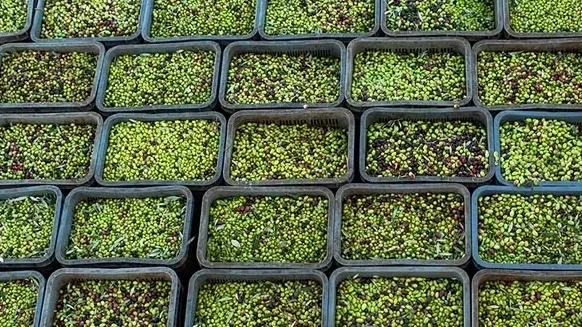
Olive oil is pressed from the fruit of the olive tree, and in its extra virgin form nothing is added or refined out. Canola oil is extracted from rapeseed and is industrially refined, using heat and chemical solvents to remove colour, smell and bitterness before it reaches a bottle.
That refining step is why canola oil is consistently pale and flavourless, while olive oil's colour and taste vary with the fruit it came from — see olive oil colour for what causes that.
How do they compare on taste?
This is where the two oils differ most. Extra virgin olive oil carries real flavour — grassy, fruity, sometimes peppery at the back of the throat. Canola oil is deliberately neutral, with almost no smell or taste, because refining is built to remove exactly that.
| Olive oil (extra virgin) | Canola oil | |
|---|---|---|
| Flavour | Grassy, fruity, peppery finish | Neutral, close to flavourless |
| Colour | Green to gold, varies | Pale yellow, consistent |
| Best raw use | Dressings, dipping, finishing | Rarely used raw |
| Price in Malaysia | Higher, imported fruit oil | Lower, widely refined and blended |
Which one handles higher heat?
Canola oil, clearly. Its smoke point sits around 204°C, similar to a refined "extra light" olive oil, and its neutral taste means it will not compete with strongly flavoured dishes cooked hot and fast. Extra virgin olive oil smokes lower, around 190 to 210°C, which covers most home cooking but not a hard wok-fry.
For a dish that genuinely needs high, sustained heat — a deep fry, a wok at full flame — canola oil or a refined olive oil are both more practical choices than extra virgin.
What is the price difference in a Malaysian kitchen?
Canola oil is one of the cheaper bottled oils on a Malaysian supermarket shelf, produced at industrial scale from a widely grown crop. Olive oil, especially extra virgin, costs more because it is imported fruit oil with a shorter, more labour-intensive extraction process and a smaller yield per tree.
That gap is the main reason many households keep both: canola for everyday high-heat cooking, olive oil kept for where its flavour actually shows.
Can you substitute one for the other?
In a pinch, yes, for most cooked dishes — both are liquid fats and will fry, saute or bake a dish through. What changes is the result: swapping canola into a dressing loses the flavour the dish was built around, and swapping extra virgin into a deep fryer wastes an expensive oil below its ideal heat range.
- Swap freely in baking recipes that call for a neutral oil — canola is usually the better fit there anyway.
- Do not swap extra virgin into high-heat frying if cost matters, since a cheaper neutral oil does the same job.
- Do not swap canola into a dressing or dip meant to taste of olive oil — the flavour will simply be absent.
Is one genuinely healthier than the other?
Both are mostly monounsaturated fat, and both are considered reasonable cooking fats in general dietary guidance. Extra virgin olive oil additionally retains polyphenols and other compounds that refining removes from canola oil, which is a processing difference rather than a claim this article makes about treating any condition.
Olive oil is a food, not a treatment. Anyone with a specific dietary or medical concern should get guidance from a doctor or registered dietitian rather than a comparison article.
So which one belongs in your kitchen?
Both, used for different jobs. Reach for canola oil when the dish needs high, sustained heat and no flavour of its own, and reach for olive oil when the oil is meant to be tasted — raw, in a dressing, or finishing a dish. Picking one to replace the other everywhere usually means losing what each does best.