
Cooking with olive oil
Olive Oil vs Coconut Oil in a Malaysian Kitchen
Olive oil and coconut oil are two different cooking fats with two different jobs, and in a kitchen that runs at 30°C one stays liquid while the other firms up the moment the air-conditioning does.

The short answer
Coconut oil belongs where a coconut note belongs, which in Malaysia is a great many dishes. Olive oil belongs where nothing should taste of coconut, and above all where the oil is served unheated. Coconut oil sets solid in an air-conditioned room; olive oil stays liquid. Cost by the litre decides the rest.
Most Malaysian kitchens own both. Coconut oil for rendang and kuih, a bottle of olive oil for salad and roast vegetables.
What follows compares them as cooking fats: flavour, what each does at 30°C, how each behaves in a hot pan, cost by the litre, and which dish wants which.
Olive oil or coconut oil: which one to reach for
Reach for coconut oil when the dish is already coconut: rendang, gulai, kuih, anything built on santan. Reach for olive oil when nothing on the plate should taste of coconut, and above all when the oil is served unheated. Both are ordinary cooking fats. The dish decides.
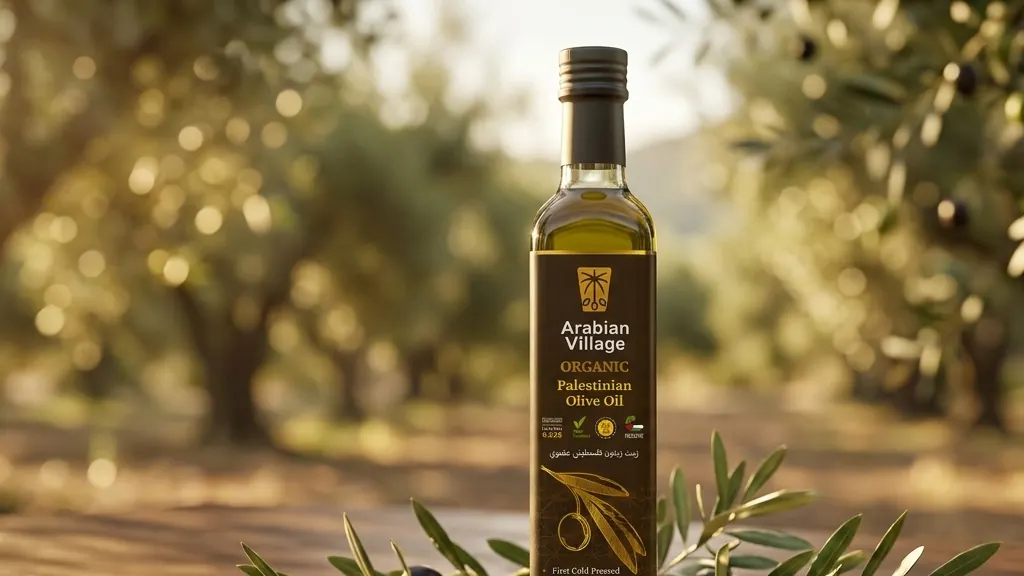
What each one tastes like on the plate
Extra virgin olive oil tastes green: cut grass, a little bitterness, a peppery catch at the back of the throat. Virgin coconut oil is sweet and rounded, with a coconut aroma that survives cooking. Refined coconut oil is close to neutral and mostly contributes texture.
- Rendang. Coconut oil disappears into it; olive oil argues with the rempah.
- A plain cake. Coconut oil gives a faintly tropical crumb, olive oil a fruity one.
- A salad. Olive oil is the dressing; coconut oil sets into flecks on cold leaves.
Solid or liquid at 28 to 32°C
Coconut oil melts at roughly 24°C. On a Malaysian counter at 28 to 32°C it is liquid or a soft paste, and in an air-conditioned room it sets white and hard again. Olive oil stays liquid all year in this climate. That difference decides where each one fails.
Weigh coconut oil rather than spooning it, because a spoonful solid is not a spoonful melted. It also sets on anything cold, which is why a coconut oil dressing turns grainy on chilled leaves.
How each behaves in a hot pan
Ordinary home cooking sits within reach of both. A tumis or a sauté runs around 140 to 180°C, comfortable for olive oil throughout, and for coconut oil until the top of that range, where it reaches its own smoke point. What differs is what survives: the coconut aroma and the peppery top notes both thin out as the pan gets hotter.
Temperatures for olive oil, and where a deep fryer stops making sense for it, are in olive oil smoke point: what heat it can take. Pan technique is in how to cook with olive oil in a Malaysian kitchen.
Cost by the litre
Coconut oil is pressed here and olive oil is shipped in, so the two sit far apart on a Malaysian shelf: this oil works out at RM236 a litre in the 250 ml bottle and RM206 in the 500 ml, a multiple of local virgin coconut oil. Spend olive oil where it is tasted, and something cheaper where it is only a medium.
Bottle sizes and current prices are on the products page, and the branches and online counters carrying the brand are on the where to buy page. A fryer takes a litre or two at a time, which is the wrong format for either of these oils.
Which oil a given dish wants
One question sorts almost every dish: would a coconut note help this plate or fight it? Rendang wants coconut. A tomato and basil salad wants olive oil. A banana cake takes either, and the one you pick is the one you taste in the crumb.
| Dish | Reach for | Why |
|---|---|---|
| Rendang, gulai, curries | Coconut oil | Coconut is already the dish |
| Kuih and Malay sweets | Coconut oil | Sets firm on cooling |
| Tumis and nasi goreng | Either | Depends on the rempah |
| Salad dressing, cold dishes | Olive oil | Coconut oil sets solid |
| Bread and dipping | Olive oil | Served unheated |
| Roast vegetables, grilled fish | Olive oil | Grassy, savoury |
| Deep frying | Neither | A litre or two per pot, so use cheap oil |
The short version
Coconut oil where a coconut note belongs, olive oil where it does not, and olive oil first for anything served unheated. Coconut oil sets solid in cool air. Price settles the rest.