
Cooking with olive oil
Olive Oil vs Red Palm Oil: Which One Actually Suits Your Cooking
Olive oil is pressed from a Mediterranean fruit; red palm oil is pressed unrefined from the fruit of the oil palm and keeps its natural orange-red colour. The two rarely compete for the same dish.
The short answer
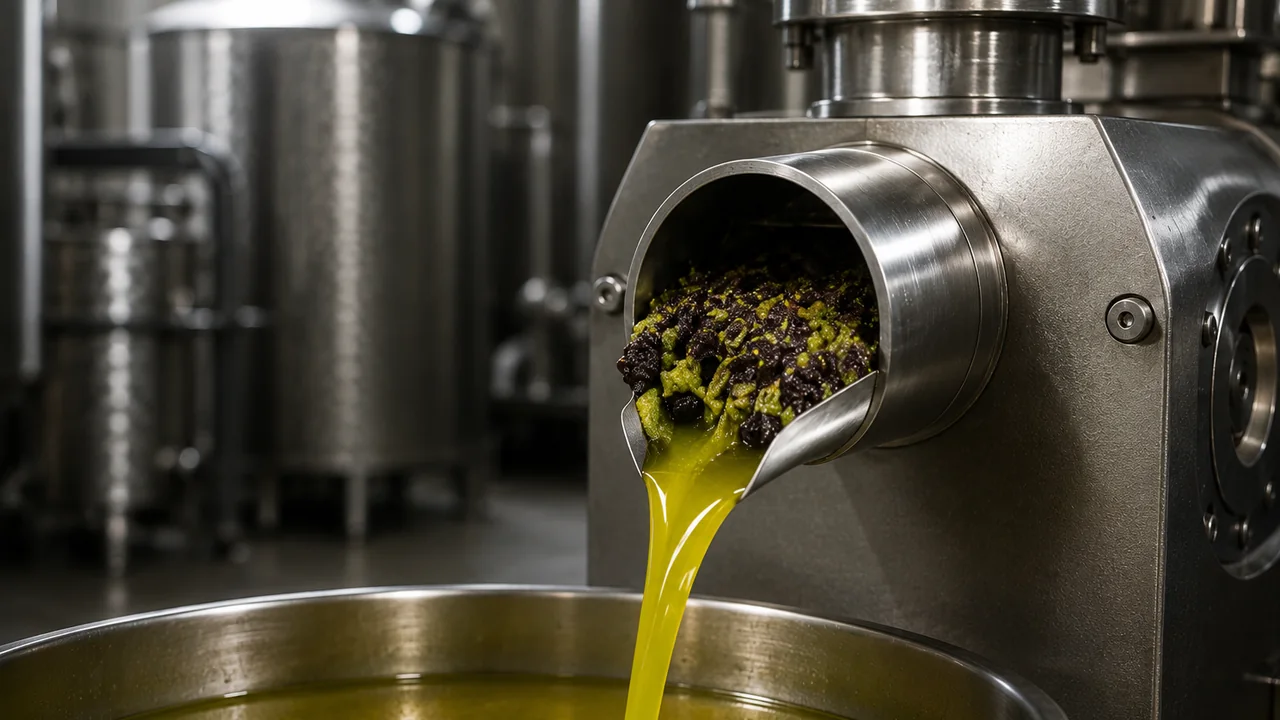
Olive oil is cold-pressed from olives and kept as close to the fruit as possible in its extra virgin form. Red palm oil is pressed from the fruit of the oil palm and left unrefined, which is why it keeps a deep orange-red colour from natural carotenoids. They come from different fruits, taste nothing alike, and are rarely substitutes for one another in the same recipe.
Malaysia is one of the few places in the world where these two oils genuinely sit side by side in the same kitchen: one imported and pressed from a Mediterranean fruit, the other grown and pressed a short drive from most homes that use it.
They rarely compete for the same job. Olive oil is chosen for flavour and for finishing a dish; red palm oil is chosen for its own distinct taste, its colour, and the way local cooking has used it for generations.
Where does each oil actually come from?
Olive oil is pressed from the fruit of the olive tree, mechanically extracted with nothing added in its extra virgin form. Red palm oil is pressed from the fleshy fruit of the oil palm and, unlike the pale refined palm oil sold as a generic cooking oil, is left unrefined, so it keeps the fruit's natural colour and much of its flavour.
That unrefined state is the whole identity of red palm oil. Refining it, as most everyday frying palm oil is refined, strips the colour and most of the taste, leaving the pale neutral oil found in packaged foods.

How do they compare on colour and taste?
This is where the two oils are least alike. Extra virgin olive oil runs green to gold and tastes of the fruit it came from: grassy, sometimes peppery. Red palm oil is a deep orange-red from natural carotenoids and carries an earthy, nutty flavour that is unmistakable once tasted.
| Olive oil (extra virgin) | Red palm oil (unrefined) | |
|---|---|---|
| Colour | Green to gold | Deep orange-red |
| Flavour | Grassy, fruity, peppery finish | Earthy, nutty, slightly sweet |
| Typical use | Dressings, dipping, finishing | Traditional stews, rice dishes, frying |
| Source | Imported Mediterranean fruit oil | Grown and pressed locally |
Which one handles higher heat?
Unrefined red palm oil sits at a moderate smoke point, broadly similar to extra virgin olive oil, because neither has been refined to strip out the compounds that break down first under heat. Refined palm oil, the pale everyday cooking oil, tolerates noticeably higher and more sustained heat than either unrefined option.
For a dish that needs a hard, sustained fry, a refined oil of either kind is the more practical choice. For a stew, braise or moderate saute, both extra virgin olive oil and unrefined red palm oil hold up well.
What is each one actually used for?
Olive oil, particularly extra virgin, is used raw or at gentle heat: dressings, dipping, drizzling over a finished dish. Red palm oil's role is different: it colours and flavours the dish itself, stirred into stews, rice and braises where its earthy taste is the point, not a background note.
- Reach for olive oil when the oil is meant to be tasted on its own, raw or gently warmed.
- Reach for red palm oil when the dish is built around its colour and earthy flavour, cooked in rather than added at the end.
- Neither substitutes cleanly for the other — swapping one in changes the dish's identity, not just its oil.
Can you use them in the same recipe?
Occasionally, yes, but not as a swap. Some cooks finish a red-palm-oil-based stew with a small drizzle of extra virgin olive oil off the heat, purely for contrast rather than to replace the base fat.
Used this way they complement rather than compete: red palm oil carries the dish, olive oil adds a last layer on top.
Is one genuinely healthier than the other?
Both carry natural compounds beyond plain fat. Extra virgin olive oil retains polyphenols from the fruit it was pressed from. Unrefined red palm oil retains carotenoids, the same family of plant pigments that gives it the orange-red colour, which is a composition difference rather than a claim this article makes about treating any condition.
Both oils are foods, not treatments. Anyone with a specific dietary or medical concern should get guidance from a doctor or registered dietitian rather than a comparison article.
So which one belongs in your kitchen?
Both, for different reasons. Keep red palm oil for the traditional dishes built around its own colour and flavour, and keep olive oil for where you want a fruit oil's own taste to show, raw or gently cooked. Treating one as a substitute for the other loses what each does best.