
Cooking with olive oil
Olive Oil vs Butter: Which One to Reach For
Olive oil and butter are both reached for on instinct, and the right one depends on the job: a slice of toast, a hot pan, a finished plate. This is about spreading and cooking, not baking.

The short answer
Neither fat replaces the other across the board. Butter suits hot toast, a browned crust and a pan sauce finished glossy; olive oil suits room-temperature bread, a raw drizzle and a pan that should not brown. For the baking conversion ratio, see the substitute guide rather than guessing it here.
Butter and olive oil sit in the same kitchen doing different jobs, and most people pick on instinct rather than asking what the dish needs.
This is a comparison for the stovetop and the bread board, not the oven: flavour, toast versus room-temperature bread, what a hot pan does to each, one dish that wants butter and one that wants oil, and price per use.
Flavour is the real difference
Butter tastes of milk and cream: rich, faintly sweet, the same note under almost anything. Extra virgin olive oil tastes of the fruit it was pressed from — grassy, peppery or mild depending on the harvest — and changes what it touches instead of just coating it.
Butter is a background note that lets other flavours lead. Olive oil is a flavour of its own, so a peppery finish can carry a plain dish and overwhelm a delicate one.
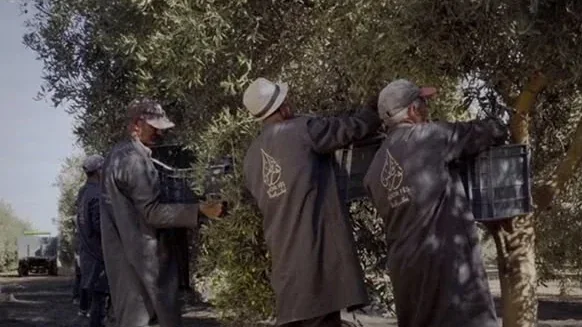
Hot toast against bread left at room temperature
On toast straight from the toaster, cold butter melts into every hole within seconds and turns the surface glossy and soft. Olive oil poured onto hot bread pools instead of melting in, and sits more on top than it is absorbed.
On bread left at room temperature, the difference flips. Cold butter tears the crust as it drags and needs minutes softening. Olive oil spreads instantly at any bread temperature — see olive oil for bread and dipping for the saucer version.
What each one does in a hot pan
Butter carries water and milk solids, and those solids brown as the water cooks off — the nutty, toasted colour behind a proper pan sauce. Left too long, the same solids scorch and turn bitter, which is why butter needs watching.
- Butter browns in minutes and can burn soon after — good for a deliberate browned-butter finish, risky if the pan is left unattended.
- Olive oil has no milk solids to brown, so it shimmers and thins as it heats instead of building that toasted colour.
- See olive oil smoke point for how much heat the oil itself takes.
One dish that wants butter, one that wants oil
A pan sauce finished with cold butter, swirled in off the heat, turns glossy and thick in a way oil cannot copy — the fat emulsifies into the liquid rather than floating on it. Mashed potato leans the same way.
- Wants butter: a pan sauce mounted at the end, or mash finished rich and smooth.
- Wants oil: a tomato sauce or sautéed greens finished with a raw drizzle once the heat is off.
Use this for that: a quick reference
Most kitchens keep both, and the choice comes down to whether the fat needs to brown, sit in a pan unattended for a while, or carry its own flavour onto the plate raw at the end of cooking, rather than during it.
| Job | Reach for | Why |
|---|---|---|
| Toast, still hot | Butter | Melts in within seconds |
| Bread at room temperature | Olive oil | Spreads without softening or tearing the crust |
| A browned, nutty finish | Butter | Only the milk solids brown this way |
| Sautéing without watching the pan closely | Olive oil | No milk solids to scorch |
| A glossy pan sauce or mash | Butter | Emulsifies into the liquid, not just coats it |
| A raw drizzle over a finished dish | Olive oil | Carries its own fruit and pepper on top |
What each one costs to use, and where baking fits
Butter goes on in small pats, so one block covers many rounds of toast. Olive oil is poured by the tablespoon, and a raw drizzle uses less than a shallow-fry — see the products page for sizes and pricing rather than a figure here.
Baking is a different question, with its own conversion between the two fats, already covered at olive oil substitute: what to use instead — this article stays with the stovetop and the bread board.
The short version
Reach for butter when a dish wants a browned note or a glossy finish, and for olive oil when the fat should carry its own flavour raw, or sit in a pan without browning. Keep both, and pick by the job.