
Serving and pairing
Olive Oil for Bread: Dipping, Za'atar and How Much to Pour
A saucer of unheated oil and a torn piece of bread is the plainest test an olive oil ever gets, and the easiest one to set badly.
The short answer
Olive oil for bread is the use where least hides the oil: no heat, no acid, no garlic. Serve it at room temperature in a shallow saucer, pour a tablespoon at a time and refill, tear an open-crumbed bread rather than cutting it, and keep za'atar and dukkah in separate bowls.
Bread and a saucer of olive oil is one of the oldest ways to serve it and the hardest to hide behind. Nothing is heated, nothing is cut with vinegar, nothing is buried under garlic.
Which bread holds oil, what za'atar, dukkah and balsamic each do to a saucer, what temperature to serve at, and how much to pour.
Why an unheated saucer shows the oil's character
Dipping is the use where least happens to the oil. Heat drives off the volatile compounds carrying the grassy and peppery notes, and a dressing cuts them with acid and salt. On bread the oil arrives whole: fruit first, then bitterness, then pepper at the back of the throat.
A saucer is unforgiving of a tired bottle: oil that stood open beside the stove since March reads flat here.
The bread matters as much as the oil
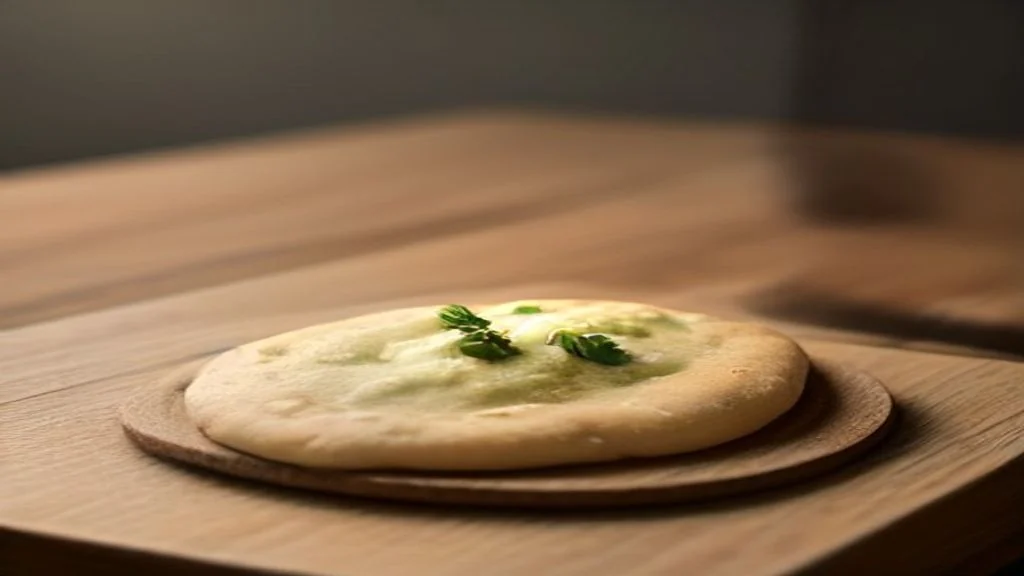
Bread decides how much oil reaches you and in what state. An open, chewy crumb takes a measured amount and holds its shape to your mouth. A soft sandwich loaf wets straight through and turns greasy; a dry cracker snaps and leaves the oil behind.
- Arabic flatbread, pita or saj. Tear it; a torn edge holds more oil.
- Sourdough or a country loaf. Open crumb takes oil, crust gives you a grip.
- Warm roti canai or naan. Fine, but they carry their own fat, so pour less.
- Soft sandwich bread. Skip it: soaks through and tears.
Za'atar, dukkah and balsamic pull three ways
Three additions take a saucer three different places. Za'atar turns it herbal and sour, with thyme, sumac and sesame. Dukkah turns it nutty and crunchy, a dry mix of toasted nuts and seeds. Balsamic turns it sharp and never mixes: the vinegar sits under the oil in beads.
- Za'atar. A teaspoon per tablespoon of oil, left five minutes.
- Dukkah. Keep it dry in its own bowl; press oiled bread into it.
- Balsamic. Oil first, vinegar dropped in the centre, no stirring.
- Flaky salt and cracked pepper. Changes the oil least.
- Chilli flakes with lemon zest. Bright and hot, good with a green oil.
The same pairing is sold ready made as wild thyme infused olive oil, the leaf steeped into the oil rather than spooned on top.
Serving temperature and how much to pour
Serve olive oil for bread at room temperature, which a Malaysian kitchen manages without help. A bottle straight from the refrigerator is the problem: cold oil goes cloudy, thickens and gives up almost no aroma. Take it out an hour ahead and pour a shallow layer.
| Serving | Oil per saucer | Refill |
|---|---|---|
| One person | 1 tablespoon | From the bottle |
| Two to four | 2 to 3 tablespoons | Every fifteen minutes |
| Six or more | A saucer per two | Each saucer |
| Mezze, long meal | A small jug | Pour to order |
Setting a dipping course for guests
A dipping course takes two minutes and one decision: the oil goes out plain first and everything else follows. Guests who have tasted the oil alone know what they are dipping into, and the za'atar bowl stops being the only thing they remember.
- Warm the bread two minutes in a dry pan, then wrap it.
- Pour a shallow layer into a white saucer so the colour shows.
- Set za'atar, dukkah and salt in separate bowls, not in the oil.
- Tear the bread at the table; cut bread dries waiting.
- Refill from the bottle; never leave a deep saucer standing.
What usually goes wrong
Most dipping saucers fail for reasons unrelated to the recipe. A saucer poured an hour before anyone sits down has been meeting air the whole time. A bottle kept above the stove was finished before it reached the table. Bread from a plastic bag pulls apart.
The oil you would taste plain is the one worth a saucer. See what cold-pressed olive oil really means and the bottles and sizes.
Putting it on the table
Room temperature, a shallow white saucer, a tablespoon at a time, bread torn rather than sliced. Taste the oil plain first, keep za'atar and dukkah in their own bowls, and refill.