
Origin & provenance
Olive Oil Varieties: What Arbequina, Koroneiki and Others Actually Taste Like
A bottle naming Arbequina, Koroneiki or another variety is telling you about a specific olive, the way a wine label names a grape. Here is what each of the common ones actually changes in the glass.
The short answer
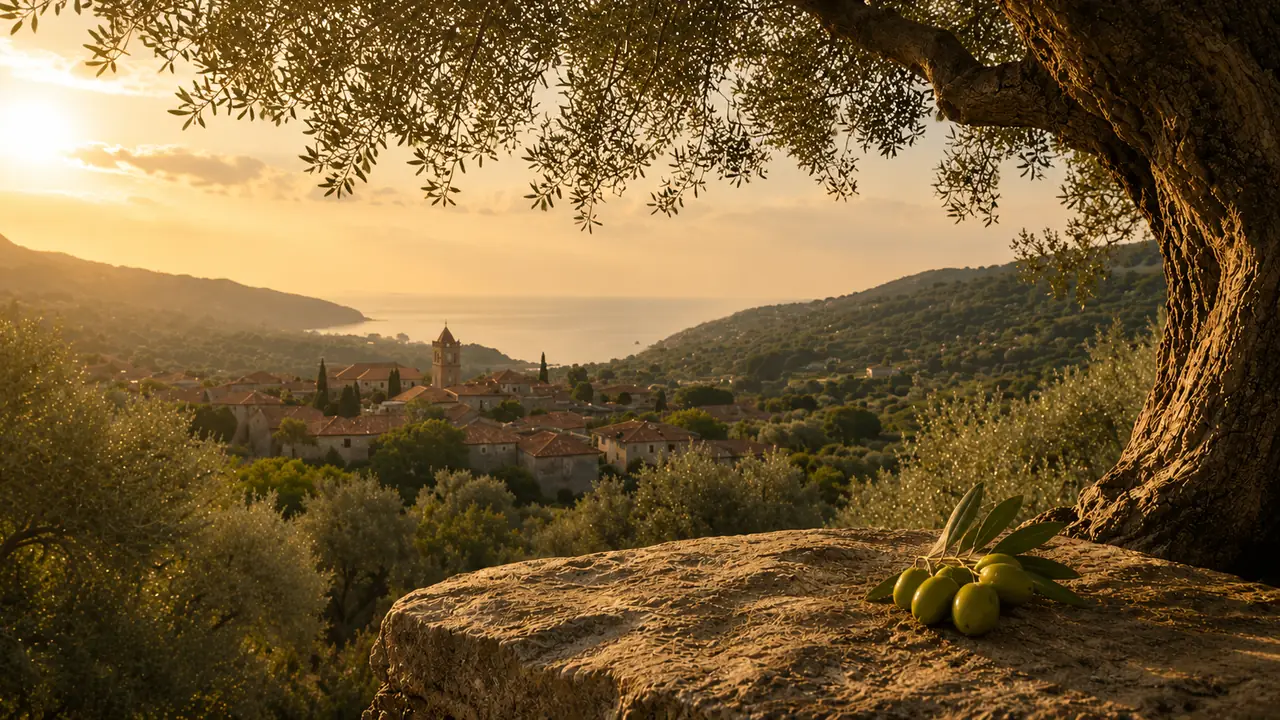
Olive oil varieties are named after the specific olive cultivar an oil was pressed from, the same way a wine names its grape. Arbequina gives a mild, buttery oil; Koroneiki gives a robust, peppery one with a reputation for high polyphenol content; Picual and Hojiblanca sit between the two. The variety a grove grows shapes the oil's flavour as much as anything done to it after pressing.
A wine label names its grape because the grape shapes the taste more than almost anything the winemaker does afterward. Olive oil works the same way, and some labels are starting to say so: Arbequina, Koroneiki, Picual, Hojiblanca, Nabali.
None of these names describe a grade or a region on their own. They describe the specific olive the oil came from, and that choice changes the flavour in the bottle more than most buyers realise.
What does an olive variety name actually tell you?
It tells you which cultivar of olive tree the fruit came from, out of several hundred that exist worldwide. A grove can be planted with a single variety, producing a "single varietal" oil, or with several, producing a blend, the way a wine can be one grape or several.
Variety shapes flavour, aroma, colour and how long the oil keeps, independent of the grade on the label. A single-varietal oil and a blended oil can both be genuinely extra virgin while tasting quite different.
What does Arbequina taste like?
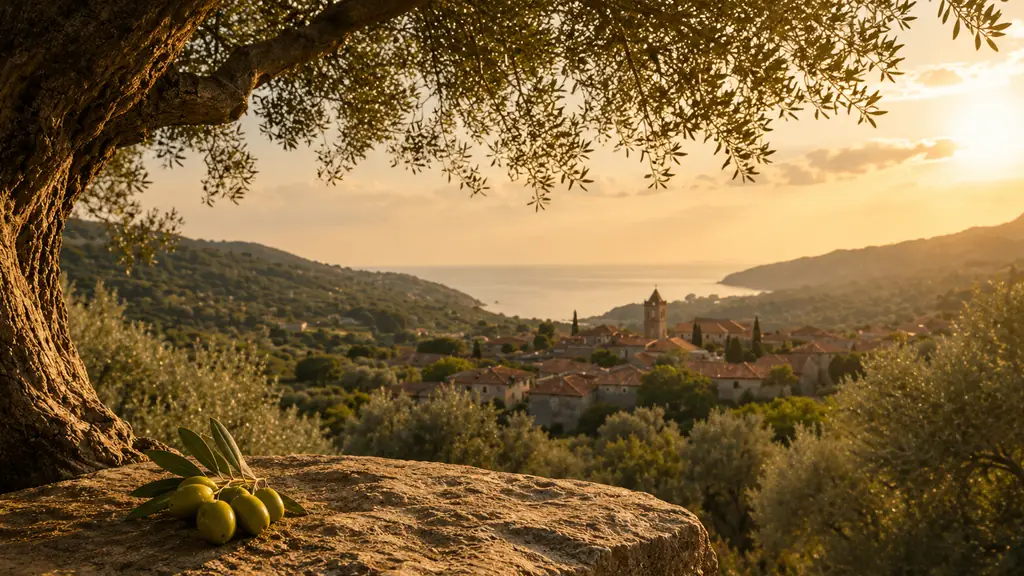
Arbequina is a small, round olive originally from Catalonia, Spain, now also widely planted in California. It gives a mild, buttery, fruity oil with low bitterness and little of the peppery throat catch stronger varieties carry, making it one of the more approachable single-varietal oils.
| Variety | Typical profile | Common origin |
|---|---|---|
| Arbequina | Mild, buttery, fruity | Catalonia, California |
| Koroneiki | Robust, peppery, grassy | Crete, mainland Greece |
| Picual | Bold, bitter, peppery, stable | Jaén, southern Spain |
| Hojiblanca | Balanced, mildly bitter | Andalusia, Spain |
| Nabali | Green, faintly bitter, peppery | Palestinian groves |
What does Koroneiki taste like?
Koroneiki is a small Greek olive, dominant in Crete and much of mainland Greece, known for a robust, grassy, distinctly peppery oil. It is also frequently cited for a higher natural polyphenol content than milder varieties, which contributes to both its sharper taste and its reputation for keeping well.
Where Arbequina is chosen for approachability, Koroneiki is usually chosen by people who specifically want that assertive, peppery character in a raw drizzle or a dip.
How do Picual and Hojiblanca compare?
Picual, grown heavily around Jaén in southern Spain, is one of the most widely planted olives in the world and gives a bold, bitter, peppery oil that is also known for oxidising slowly, which is one reason it turns up so often in blends meant to travel and store well. Hojiblanca, also Andalusian, sits closer to the middle: balanced, mildly bitter, without Picual's intensity or Arbequina's softness.
Neither is objectively better than the other. They are simply different points on the same spectrum from mild to assertive that every variety on this page sits somewhere along.
Where does Nabali fit among these?
Nabali is the dominant olive in Palestinian groves, also called Baladi, meaning local, with Nabali Muhassan and Souri grown alongside it. It sits closer to the Koroneiki end of the spectrum than the Arbequina end: green rather than sweet, grassy, faintly bitter, peppery in the throat.
This site's own oil is a Nabali-dominant single-origin — Palestinian olive oil: what makes it different covers the grove, the harvest and the variety in more detail than fits on this page.
Does variety matter more than grade?
They answer different questions, so neither replaces the other. Grade (extra virgin, virgin, refined) tells you how the oil was processed and how much of the fruit's character survived that process. Variety tells you which fruit it was to begin with. Two extra virgin oils can be equally well made and still taste noticeably different because one is Arbequina and the other is Koroneiki.
- Want mild and approachable? Look for Arbequina or a blend leaning that way.
- Want bold and peppery? Look for Koroneiki, Picual or Nabali.
- Not sure? A blend of several varieties, which is how most supermarket extra virgin oil is made, aims for a middle ground rather than either extreme.
What should you take from the variety name?
Treat a named variety on a label the way you would a grape on a wine label: a real clue to what is in the glass, worth reading before you buy if you already know which end of the mild-to-peppery spectrum you prefer. If the label names no variety at all, it is very likely a blend built for a consistent middle ground rather than a strong personality.