
Cooking with olive oil
Olive Oil Marinade: What the Oil Is Actually Doing
In a marinade the oil is a carrier, not a tenderiser. Here is the ratio against acid, the time each ingredient wants, and which bottle to use.
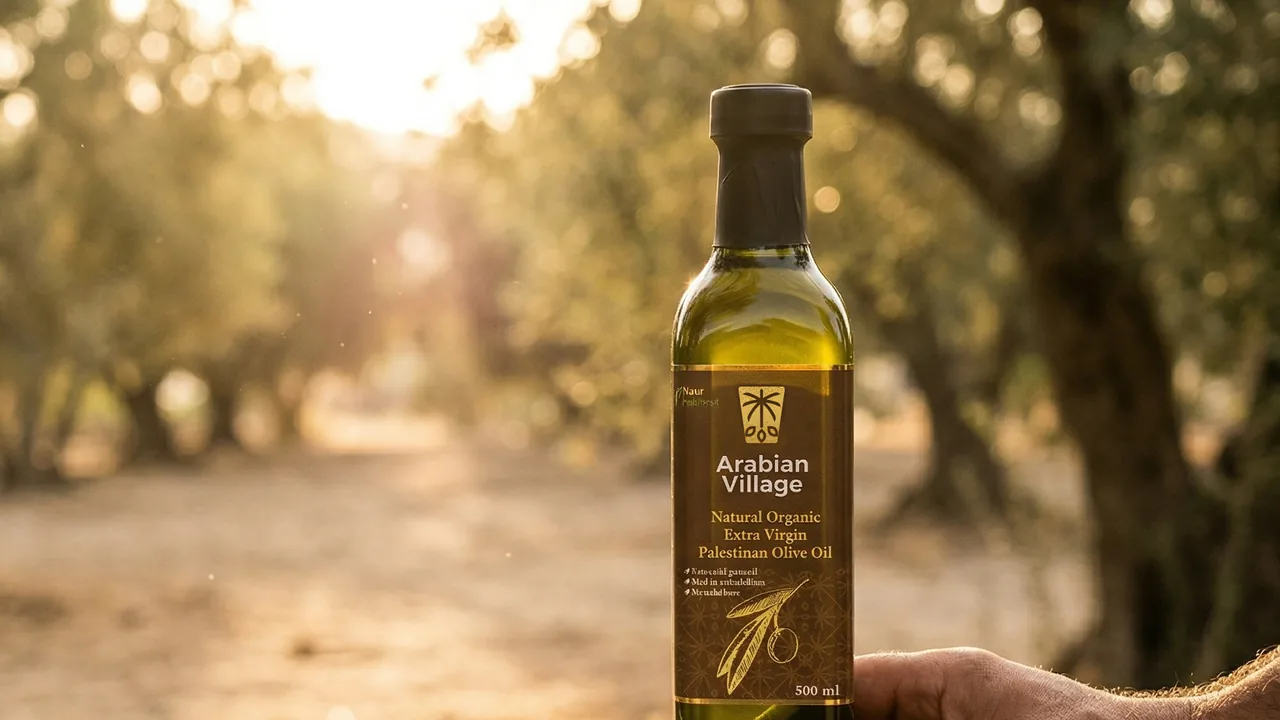
The short answer
In an olive oil marinade the oil dissolves the fat-soluble aromatics and holds them against the surface of the food. It does not tenderise: salt, the cut and the cooking do that. Three parts oil to one part acid suits meat, more oil for fish, and the clock matters more than the recipe.
Every marinade recipe opens with olive oil and none says why. The oil does one job, and not the one most people credit it with.
What follows is the mechanism, the ratio against acid, and a timing table by ingredient.
What the oil is doing in there
An olive oil marinade works as a carrier. Most of the flavour in garlic, rosemary, oregano and chilli is fat-soluble, so it dissolves into oil rather than into lemon juice. The oil coats the food and holds that flavour there, through the fridge and onto the heat.
- It dissolves the aromatics. Crushed garlic and bruised rosemary give up more to oil than to juice.
- It stays put. A thin film holds the seasoning on the meat instead of pooling in the dish.
- It arrives in the pan. The film clinging to the food browns first.
It does not tenderise anything
Olive oil does not tenderise meat. It sits on the outside and travels perhaps a millimetre in, so a marinated steak is seasoned at the surface and unchanged in the middle. Tenderness is settled by five other things, and the oil is none of them.
- The cut. Shin will not become sirloin in a bowl.
- Slicing across the grain. Shorter fibres, before any cooking.
- Salt. Reorganises the surface protein and holds water in it.
- Papain. The enzyme in raw papaya, which overshoots fast.
- Slow cooking. Low heat breaks down the connective tissue.
Oil against acid: the ratio
A workable olive oil marinade runs about three parts oil to one part acid, with salt and aromatics on top. More acid than that firms and whitens the surface of fish and chicken before any heat reaches it. Less acid and the mixture reads as oily.
- 3:1 oil to acid for chicken, lamb and beef.
- 4:1 or 5:1 for fish and prawns, which acid reaches within minutes.
- 2:1 for firm vegetables and halloumi, with no protein to seize.
- About 2 tbsp of oil per kilo of food, which puts the acid at roughly 2 tsp.
How long to marinate, by ingredient
Marinating time depends on how far the acid can reach, not on how much flavour is wanted. Fish takes fifteen to thirty minutes. Chicken pieces take two to six hours. A whole beef steak can sit overnight because its surface is dense.
| Ingredient | Time in the marinade | Too long shows as |
|---|---|---|
| Fish fillets, prawns | 15-30 minutes | Opaque, firm edges |
| Chicken, bone in | 2-6 hours | Chalky, dry after roasting |
| Chicken breast, cubed | 30 minutes to 2 hours | Pale, stringy outer layer |
| Lamb chops, kebab cubes | 2-8 hours | Soft grey instead of pink |
| Beef steak, whole cut | 4 hours to overnight | Little changes at all |
| Vegetables, halloumi | 15-45 minutes | Absorption simply stops |
Which bottle goes in the marinade
A whole marinade is not the place for the most expensive bottle in the kitchen. Most of that oil ends up in the dish, on the tray or burning off over the grill, and heat flattens what it carried.
The arithmetic is quick. Two tablespoons per kilo is around 30 ml, and most of it goes with the drips and the smoke rather than onto the plate, so at RM236 a litre it buys nothing you taste. For the figures, read olive oil price in Malaysia.
Mix it in the right order
Build the marinade in the dish the food will sit in, and add the olive oil last. Salt dissolves in lemon juice or vinegar and stops dissolving once oil has coated the crystals: acid first, aromatics next, oil whisked in at the end.
- Stir the salt into the lemon juice or vinegar until it disappears.
- Crush the garlic, bruise the herbs, stir them through the acid.
- Pour the olive oil in slowly, whisking, until the mixture thickens.
- Turn the food through it, cover, and refrigerate for the time it needs.
What to remember
Olive oil in a marinade dissolves the aromatics and holds them on the surface. Three parts oil to one part acid for meat, more oil still for fish, and the clock matters more than the recipe. See cooking with olive oil in a Malaysian kitchen.