
Buying guide
Halal olive oil in Malaysia: what to actually check on the bottle
Pure olive oil is a single plant ingredient, so the honest answer is simple — but blends, flavourings and imported halal logos are worth reading properly.
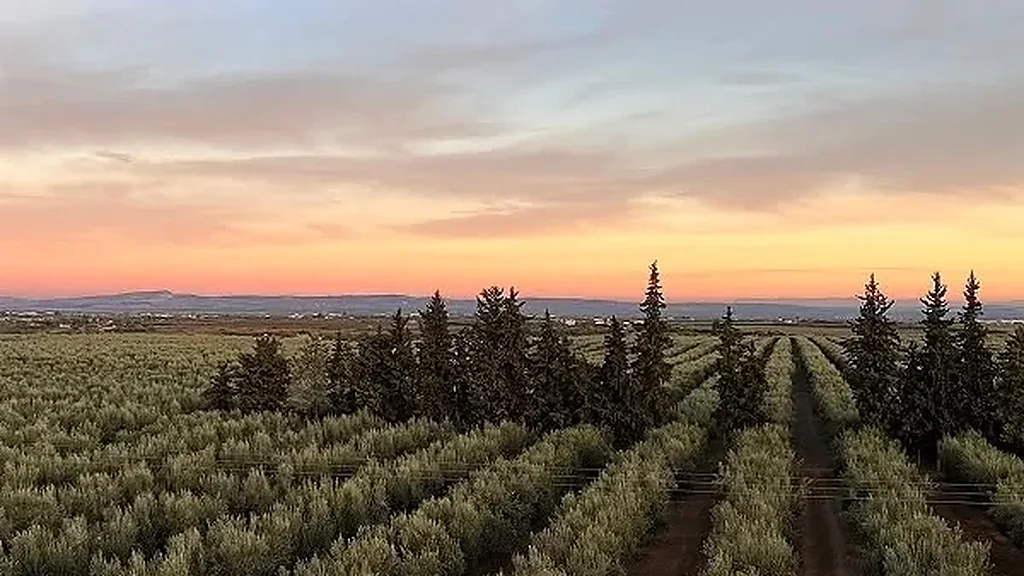
The short answer
Pure olive oil is pressed olives and nothing else, so a single-ingredient bottle raises no issue. What a careful shopper checks is the ingredient list on blends and flavoured oils, what an infusion is actually made from, and which body issued any halal mark on an imported bottle.
Pure olive oil is pressed fruit. One ingredient, from a tree, nothing animal and nothing alcoholic. So the short answer is that plain olive oil raises no issue.
It keeps coming up because not every bottle on a Malaysian shelf is plain. Blends, flavoured oils and sprays carry other things.
Here is what a careful shopper checks anyway: the label, the infusion, the logo, the importer.
Is olive oil halal?
Yes. Olive oil is pressed from olives and nothing else, so a pure extra virgin olive oil contains no animal derivative, no alcohol and nothing doubtful. Plant oils are permissible by default. The question only becomes interesting when a bottle holds something besides olives.
So halal olive oil names a check, not a category. The back label settles it, not the front.

What does the ingredient list tell you?
The ingredient list is the first and best check. A bottle of extra virgin olive oil should list one thing: olive oil. If you see a second oil, a flavouring, an emulsifier, a preservative or the word blend, you are no longer holding a single-ingredient product.
- Blends — olive oil cut with cheaper seed oil: two supply chains.
- Flavourings — a manufactured essence, not a herb; essences arrive in a carrier.
- Sprays — the propellant is an ingredient too, rarely shown up front.
- Refined grades — light or pure means processed, not pressed.
Are infused and flavoured olive oils halal?
It depends entirely on what was added and how. Real herbs, spices or dried flowers steeped in oil keep it plants in oil. A manufactured flavour essence may arrive in a carrier solvent, and ethanol is common in food flavourings, so a flavoured bottle earns a label read.
The Infused Collection here is culinary botanical infusion only: lavender-chamomile, blackseed, turmeric-black-pepper, rosemary-basil, fennel-anise, wild-thyme.
What does a halal logo on an imported bottle tell you?
A halal mark tells you a certifying body reviewed that product at some point. It does not tell you whether JAKIM recognises that body, whether the certificate is still current, or whether it covers the exact size and flavour in your hand. JAKIM publishes the list of certifiers it recognises.
Read the certifier's name on the mark, not the logo's shape, and ask whether the document names the product or the factory.
Can processing or cross-contamination be an issue?
With cold-pressed oil, very little happens between the olive and the bottle: the fruit is crushed and the oil separated mechanically, with no solvent and no additive. The realistic question is shared equipment — a line that also runs something non-halal — and that goes to the importer.
Oil pressed and bottled at one origin passes through fewer hands than a blend from several countries. How this oil is sourced is a fair question.
How do you check a specific bottle in Malaysia?
Ask whoever imports it. In Malaysia this oil is brought in by Berkat Madinah Store, founded in 2010, and questions about ingredients, processing and documentation go to them on WhatsApp at +60 11-1111 9912. You can also read the back label yourself at either branch.
| What to check | Where you find it |
|---|---|
| Ingredient list | Back label — a plain oil reads olive oil only |
| Infusion contents | A named botanical, not the word flavouring |
| Who certified it | The mark, then JAKIM's recognised-body list |
| Price by size | RM59.00 for 250 ml, RM103.00 for 500 ml |
The short answer, and the habit worth keeping
Plain olive oil is one plant ingredient and needs no argument. The care belongs on bottles that are not plain — blends, essences, sprays, marks whose issuer nobody reads. Turn the bottle around, read the list, and ask the importer what the label leaves out.